

 See My Latest Article on HelloNation
What Causes Scratches on Hardwood Floors in Local Homes?
Scratches often appear on hardwood floors due to daily foot traffic, moving furniture, pet claws, grit tracked in from outdoors, and seasonal changes in humidity. In Athens, OH, where winter snow and spring mud are common, local families may notice more surface marks when grit or small stones enter from outside. Removing shoes at entrances and using mats can help, but even the most careful households will eventually see some scratches, especially in high-traffic areas.
How Can You Assess the Type and Depth of Scratches?
The first step is to determine whether a scratch is surface-level or has penetrated deeper into the wood. Run a fingernail gently across the scratch:
- If your nail catches, the scratch likely reaches the wood and will need more work.
- If your nail glides over, the mark is probably just in the finish and often easiest to address.
Surface scratches are common in local rentals and homes with children or pets. Deeper gouges or dents—sometimes the result of dropped items or heavy furniture—may require more involved repairs.
What Are Simple Fixes for Light Surface Scratches?
For minor scratches that haven’t broken the finish, a quick do-it-yourself fix is often possible using materials found at home or in local hardware stores. Begin by:
- Cleaning the area thoroughly to remove dirt using a soft cloth and hardwood-safe cleaner.
- Rubbing a hardwood floor repair marker, wax stick, or even a matching artist’s pencil along the scratch, following the direction of the wood grain.
- Buffing gently with a soft cloth to blend and restore shine.
This approach works especially well on floors with a satin or matte finish. Many Athens residents find this method more than sufficient for small marks near entrances or dining areas.
What Should You Do for Deeper Scratches?
If a scratch extends into the wood, it requires a bit more attention. Begin by gently sanding along the scratch with fine-grit sandpaper (180-220 grit), always working in the direction of the grain. Take care only to sand the area needed, as over-sanding can create a visible depression. After sanding:
- Clean away dust carefully.
- Apply a wood stain marker or matching wood stain, letting it dry fully.
- Seal the area with a polyurethane or other finish compatible with the existing floor.
Allow patched spots to dry fully before any foot traffic returns. Test all products on a hidden area first, especially if your home’s hardwood has a unique color or finish.
Can Household Products Help Hide Small Scratches?
Some Athens residents use household items as a quick remedy for light marks:
- A small amount of olive oil on a soft cloth, rubbed into a faint scratch, can darken and minimize its appearance.
- Walnut meat, when rubbed directly onto a scratch, may help disguise small surface flaws on brown-toned wood.
While these techniques don’t repair the wood, they can make scratches less noticeable in the short term and are safe for most finished floors.
Are There Seasonal or Local Factors to Consider?
In the Athens, OH climate, hardwood floors expand and contract with the seasons. In winter, heating systems can dry out the air, making the wood more brittle and prone to cracking or scratching. During humid summers, swelling may make pre-existing scratches appear larger or open up small gaps between boards.
Using a humidifier in winter and mats at every exterior door helps protect floors from new scratches. Regular cleaning is also crucial, as grit from rural roads or hiking trails often finds its way inside local homes.
When Should You Avoid DIY Repair?
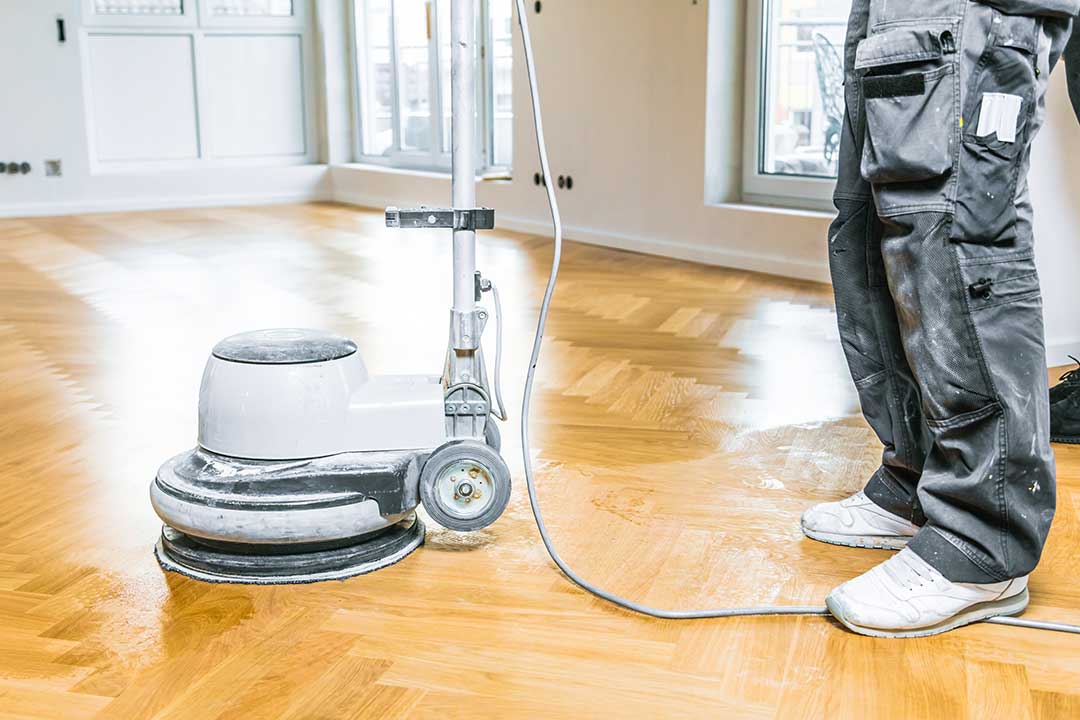
Do-it-yourself solutions suit most light scratches and shallow gouges, but there are cases where self-repair is not advised:
- Scratches covering a very large area, such as across multiple boards
- Water damage, warping, or deep gouges exposing the subfloor
- Antique or historic hardwoods with unique finishes
In older Athens homes, some floors are finished with products no longer widely available. Always test repair methods on a hidden area and interview longtime residents about what was used if the house is historic.
What Are Common Mistakes and How Can You Avoid Them?
A few errors can make repairs worse:
- Using harsh abrasives or coarse sandpaper, which can permanently mar the floor’s finish
- Over-applying stain, leading to uneven coloration
- Failing to clean dust before sealing, trapping grit in the repair
Work slowly, use minimal product at first, and always wipe away excess materials. Reading flooring care labels or consulting a reputable local resource—such as the city’s home improvement guides—can provide added assurance.
How Can You Prevent Future Scratches?
Practical prevention makes a meaningful difference for local households. Consider these strategies:
- Place felt pads under all furniture legs, especially chairs and tables moved frequently.
- Lay rugs in entrances and high-traffic zones, washing them often to prevent gritty buildup underneath.
- Trim pet nails regularly.
- Sweep or vacuum hardwood floors with a soft-bristle attachment to reduce dust and debris.
Schools, families, and landlords in the community often share tips about using area-specific mats or changing routines with the seasons to extend floor life.