

 See My Latest Article on HelloNation
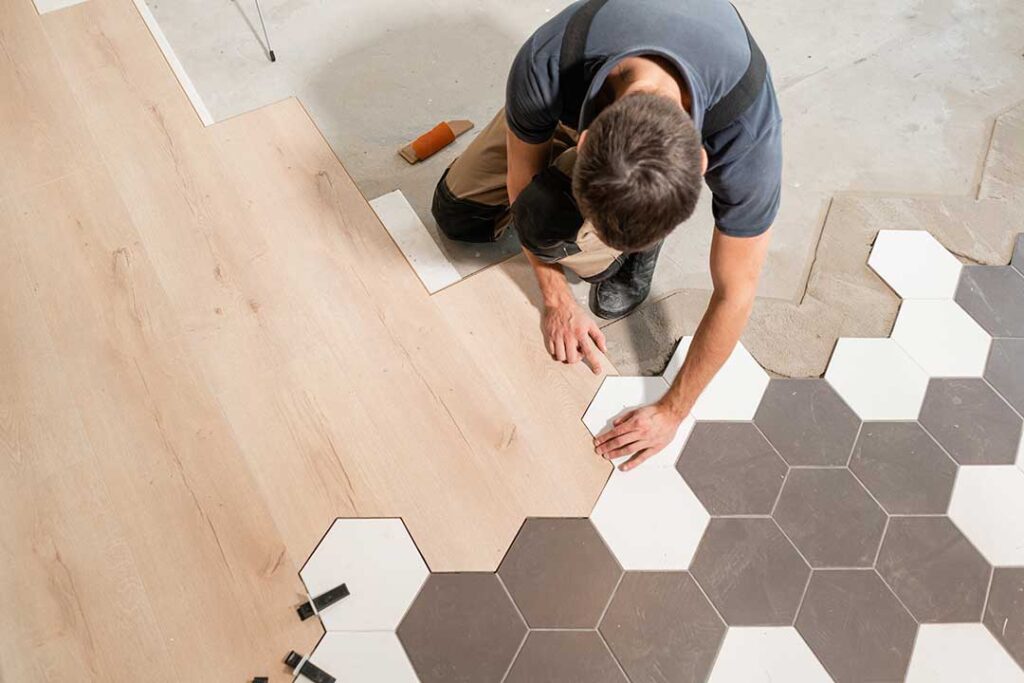
Removing old flooring safely requires more than pulling up the visible surface. Beneath carpet, vinyl, tile, or laminate there may be adhesives, nails, damaged subflooring, mold, lead dust, or asbestos-containing materials. A careful inspection before demolition helps prevent injuries and avoids spreading hazardous dust through the home.
What should be checked before removing old flooring?
Before starting, identify the flooring layers, the condition of the subfloor, and the age of the home. A floor may contain several materials installed at different times, especially in older houses and buildings.
Look for:
- Carpet, padding, tack strips, and exposed nails
- Sheet vinyl, vinyl composition tile, or older resilient tile
- Black, brown, or yellow adhesive beneath flooring
- Water staining, soft wood, swelling, or musty odors
- Crumbling material, unusual dust, or deteriorated backing
- Floor registers, electrical outlets, plumbing fixtures, and other obstacles
Homes built before 1978 deserve extra caution because renovation can disturb lead-based paint on trim, doors, walls, or baseboards. Flooring removal itself may not involve painted surfaces, but prying, scraping, and demolition can create dust from nearby painted materials.
Do not rely on appearance alone to identify asbestos. Some older resilient floor tiles, sheet flooring, and adhesives may contain asbestos, and the only reliable way to confirm this is through qualified sampling and laboratory analysis.
How can asbestos-containing flooring be recognized?
There is no dependable visual test for asbestos in flooring. Age, color, pattern, or adhesive appearance can suggest that testing is appropriate, but none confirms or rules out asbestos.
If suspect flooring is intact and not in the way, leaving it undisturbed is often safer than removing it. New flooring may sometimes be installed over a sound existing surface, depending on its condition and the requirements of the new installation.
Do not:
- Sand, grind, or power-strip old flooring
- Scrape adhesive aggressively
- Drill, saw, or pulverize suspect tile
- Sweep or use a standard vacuum on suspicious debris
- Break flooring into small pieces to make disposal easier
If old flooring is damaged, crumbling, or must be disturbed for a renovation, stop work until the material can be evaluated. Asbestos-related removal and disposal requirements can depend on the material, the amount involved, and local and state rules. Hazardous material is not appropriate for ordinary household trash unless disposal authorities specifically allow it.
What equipment is useful for ordinary, non-hazardous flooring?
For flooring that has been identified as non-hazardous, use tools that control dust and reduce sharp-edge injuries. Typical equipment includes a utility knife, pry bar, floor scraper, hammer, pliers, sturdy gloves, eye protection, and a properly fitted dust mask or respirator appropriate for the task.
A few preparation steps make the work safer:
1. Remove furniture, rugs, and loose objects from the room.
2. Shut down fans that could spread dust to other parts of the home.
3. Close doors and seal openings with plastic sheeting when practical.
4. Protect nearby surfaces and cover HVAC registers.
5. Wear work clothing and shoes that can be cleaned separately.
6. Keep children, pets, and other occupants out of the work area.
In the damp seasons common in Athens, moisture can weaken particleboard, swell wood-based flooring, and make old adhesive tackier. Avoid adding water unless the flooring material and subfloor can tolerate it. Excess moisture can also worsen hidden mold or damage below the surface.
How should carpet, padding, and tack strips be removed?
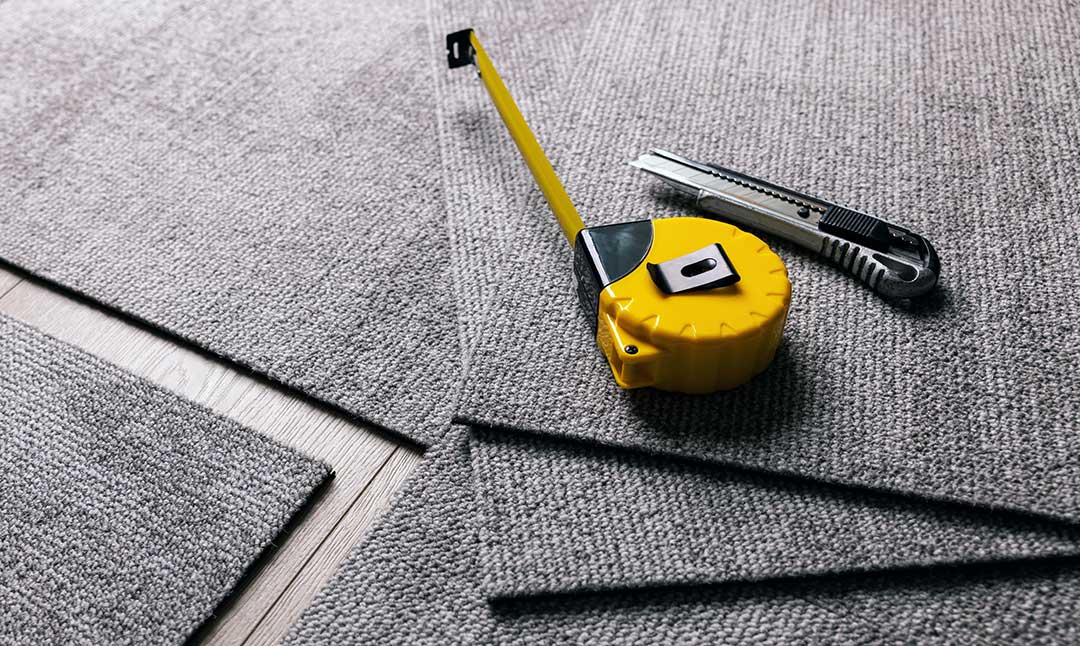
Carpet is usually removed by cutting it into manageable sections rather than pulling the entire room at once. Use a sharp knife to cut from the back of the carpet, keeping the blade pointed away from hands and legs. Roll each section tightly and secure it before carrying it out.
Padding may be attached with staples or adhesive. Remove staples with pliers or a staple lifter, then inspect the subfloor for remaining fasteners. Tack strips contain sharp nails and should be lifted carefully with a pry bar. Wear gloves and eye protection, and place the strips in a rigid container or wrap them securely so nails cannot puncture bags.
If carpet or padding has been wet for an extended period, smells strongly musty, or shows visible mold, avoid dry shaking or aggressive beating. Porous materials with substantial mold contamination may not be salvageable, and larger areas of mold or water damage require more careful containment.
What is the safest approach for vinyl, tile, and laminate?
For confirmed non-hazardous resilient flooring, work slowly with a hand scraper and avoid methods that create clouds of dust. Sheet vinyl can be cut into strips, while loose tile may lift with a floor scraper. Do not use a power stripper or grinder unless the material has been positively identified as safe for that method.
Laminate flooring commonly comes apart by reversing its locking joints. Start at the last installed row and avoid forcing boards against walls or cabinets. Watch for underlayment that has absorbed moisture or developed mold.
Ceramic or stone tile can produce sharp fragments and airborne dust when broken. Remove whole tiles where possible. If breaking is unavoidable, wear eye protection, cover nearby surfaces, and use dust-control methods suitable for the material and setting. Never assume that a layer hidden beneath newer flooring is safe simply because the top layer is modern.
How should dust and debris be controlled?
Dust control is one of the most important parts of safe removal. Keep debris contained rather than carrying loose pieces through the house.
Use these practices:
- Work from the farthest part of the room toward the exit.
- Place debris directly into heavy-duty bags or sturdy containers.
- Mist ordinary dusty debris lightly when appropriate, but do not wet electrical components or materials that may contain asbestos.
- Use damp cleaning methods on hard surfaces.
- Use a HEPA-filter vacuum only when the material is known not to contain asbestos and the vacuum is designed for fine renovation dust.
- Change clothing before entering clean areas.
- Wash hands and face before eating, drinking, or smoking.
For a pre-1978 home, lead-safe cleanup should include careful containment, damp wiping, and thorough cleaning of floors and nearby surfaces. Dry sweeping can put settled dust back into the air. Children and pregnant people should stay away from renovation dust, especially in older housing.
When should floor removal stop?
Stop immediately if you uncover suspected asbestos, extensive mold, sewage contamination, widespread water damage, unusual chemical odors, or a subfloor that appears structurally unsafe. Also stop if dust is spreading beyond the contained work area or if anyone develops breathing irritation, dizziness, or other concerning symptoms.
A damaged subfloor may indicate a plumbing leak, roof problem, foundation moisture, or long-term condensation. Replacing the visible flooring without correcting the moisture source can lead to repeated damage.
Professional evaluation is warranted when hazardous materials may be involved, when contamination covers a large area, or when the floor supports appear damaged. The goal is not simply to remove the old surface; it is to leave the room safer, cleaner, and structurally ready for whatever comes next.