

 See My Latest Article on HelloNation

What Makes a Flooring Material “Eco-Friendly”?
Eco-friendly flooring materials are chosen for their lower impact on the environment. This typically means the material is made from renewable resources, uses less energy and water in production, contains fewer harmful chemicals, and is recyclable or biodegradable. For area homeowners, using these materials can help minimize environmental impact while creating a healthier indoor environment.
A material is usually considered eco-friendly if it meets several of these criteria:
- Comes from renewable sources (like bamboo or cork)
- Recycled content or ability to be recycled at end-of-life
- Manufactured with minimal use of toxic adhesives or finishes
- Durable, minimizing the need for frequent replacement
Are Eco-Friendly Floors Durable in the Athens, OH Climate?
Most eco-friendly flooring types are designed to be as durable as conventional materials, but performance depends on the specific product and local conditions. In Athens, humidity, temperature swings between seasons, and the amount of mud or grit tracked inside can affect longevity.
Durable, sustainable options for the region include:
- Bamboo: Resistant to moisture and can handle changing seasons well.
- Cork: Comfortable underfoot and naturally mold-resistant, but best for areas not exposed to standing water.
- Linoleum: Made from linseed oil and natural fibers, this is a durable, easy-to-clean surface that works well in kitchens and entryways.
Homeowners should look for flooring with proven resistance to local wear factors, such as tracked-in grit during muddy seasons or seasonal changes in humidity.
What Are the Most Common Types of Eco-Friendly Flooring?
Several materials are frequently found in sustainable homes:
- Bamboo: Fast-growing plant, made into planks; similar look and feel to hardwood.
- Cork: Harvested from the bark of cork oak trees; naturally cushioned and warm.
- Reclaimed Wood: Salvaged from old buildings or barns; each plank is unique; gives old materials a new life.
- Linoleum: Made from natural materials including linseed oil, wood flour, and jute.
- Recycled Tile: Can be made from glass, porcelain, or ceramic; durable and often colorful.
- Wool Carpet: Biodegradable fibers, but needs to be paired with natural, non-toxic backings and adhesives.
Each option has unique advantages and ideal applications within local residential settings.
How Does Indoor Air Quality Factor In?
Traditional flooring can sometimes emit volatile organic compounds (VOCs) from adhesives or finishes, which may linger in indoor air. Eco-friendly flooring options generally use natural finishes and low-VOC adhesives, supporting healthier indoor air—especially valuable for households with allergies or young children.
For the clearest air indoors:
- Choose flooring certified for low chemical emissions, such as GREENGUARD or FloorScore-labeled products.
- Opt for unfinished floors finished with local, natural oils or waxes.
- Ventilate well during installation, since even “green” floorings may off-gas slightly when new.
What Are the Upfront and Long-Term Costs?
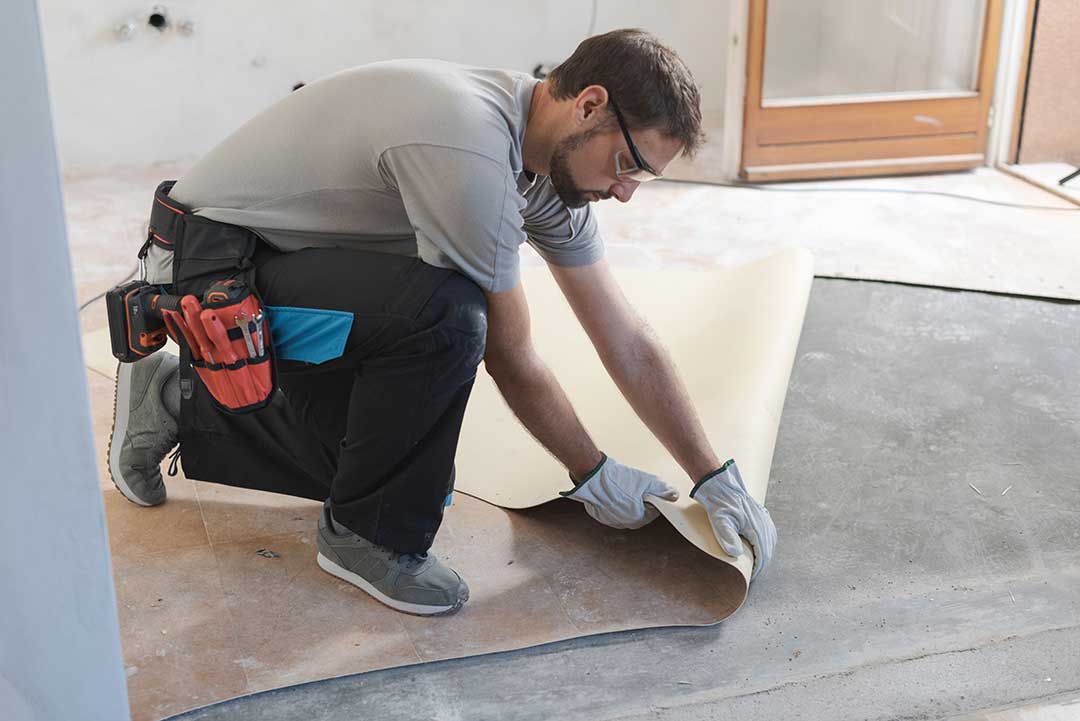
Sustainable flooring often comes with a higher purchase price than conventional options, but the picture changes when longevity and maintenance are factored in. For example, bamboo and linoleum can outlast many standard materials with proper care.
Other cost considerations include:
- Reduced need for replacement due to durability.
- Savings in allergy treatments or home air purification, thanks to cleaner air.
- Variable pricing depending on source, certification, and installation complexity.
In the Athens area, comparing the full project estimate—including underlayments, adhesives, and finishes that meet green standards—gives a more accurate idea of investment.
Can Eco-Friendly Flooring Be Installed in Any Room?
Some types work better in certain rooms than others. Bamboo and linoleum excel in kitchens, living areas, and hallways. Cork is more comfortable for bedrooms or playrooms but not ideal in bathrooms where standing water might be a concern. Recycled tile can be a good fit for mudrooms, entryways, or baths where moisture resistance is key.
Key factors when choosing where to install:
- Tolerance to moisture and temperature swings (important in unheated entries or basements)
- Softness underfoot for places where standing is common
- Visibility of seams, edges, or unique patterns in open-plan spaces
What Should Athens Residents Ask Before Choosing Sustainable Flooring?
Before deciding, consider these questions:
- Is the material sourced and manufactured sustainably, and can those claims be verified?
- How much maintenance will it require, and are eco-friendly cleaners available?
- Will the floor hold up to the level of moisture common during humid Ohio summers or slushy winters?
- Does the style and color fit existing décor and resale trends in Athens homes?
- Is recycling or safe disposal possible at end-of-life?
Common misconceptions include assuming all natural materials are truly green (some still use high-VOC glues or finishes) or that eco-friendly options are too fragile—a well-chosen floor can be as robust as traditional options.
Are There Local or Regional Considerations?
In Athens, with older housing stock and mixed humidity levels, many sustainable floors offer benefits such as improved airiness, allergy resistance, and easier cleaning. Homes with basements prone to dampness may find tile or linoleum a practical green solution, while upstairs living areas benefit from cork or reclaimed options for noise reduction and comfort.
Local recycling centers and municipal guidelines can also provide additional disposal or recycling recommendations for old materials that are being replaced.