

 See My Latest Article on HelloNation
Why Do Floors Get Damaged by Furniture?
Heavy furniture, frequent movement, and everyday use can gradually leave scratches, dents, or gouges in flooring. In Athens, OH homes—especially those with hardwood, laminate, vinyl, or even tile—seasonal humidity, local heating habits, and popular open-plan layouts can amplify these risks. Larger pieces like couches, dining sets, or beds exert constant pressure, while moved chairs or tables often cause visible wear.
What Types of Flooring Need Extra Care?
All flooring can suffer from furniture damage, but certain materials require special attention:
- Hardwood: Prone to scratches, dents, and scuffing from both dragging and pressure points.
- Laminate: The wear layer can scrape off, exposing the core, especially at entryways or high-use rooms.
- Vinyl and LVT: Can tear or dent under heavy items if the load isn’t distributed.
- Tile: Less likely to scratch, but heavy sharp furniture legs may cause cracks or chips, particularly in older homes.
- Carpet: Less risk of scratching, but may develop permanent indentations or crushing.
Local housing in Athens, OH often combines wood floors in historic homes with laminate or vinyl in rental apartments. Each flooring type responds differently to furniture impact, so tailoring protection methods is recommended.
Do Furniture Pads Really Make a Difference?
Yes, pads significantly reduce the chance of surface scratches and dents. Furniture pads (felt or rubber) act as a barrier between furniture legs and the floor.
- Felt pads: Popular for hardwood and laminate because they glide smoothly and prevent scraping. Check and replace these as they wear down or collect grit—especially during muddy or snowy local seasons.
- Rubber or silicone pads: Useful on tile or vinyl, where slip resistance is needed. On hardwood, rubber can leave marks if left damp, so dry thoroughly if floors get wet during rainy periods.
It's a common misconception that all pads are the same—sticking with ones designed for your specific furniture and floor type will help them last and keep your floors safer.
How Can Area Rugs and Mats Help?
Placing rugs or mats under frequently moved or heavy furniture distributes weight and protects high-use zones from scratches. Entryways, living rooms, and under dining tables in Athens homes benefit most, especially where mud and grit from local weather conditions get tracked inside.
- Choose rugs with non-slip backings or use a rug pad to prevent sliding.
- Ensure the rug is large enough for all furniture legs to sit on it when possible.
- Remember to regularly vacuum beneath area rugs to remove grit that gets under the surface and can scratch when pressed by furniture.
Is It Safe to Rearrange Furniture on Hard Floors?
Sliding furniture—especially heavy or unwieldy items—almost always leads to scuffing or scraping. Safe movement involves:
- Lifting furniture fully off the floor, not dragging, when possible. Recruit help for large pieces.
- Using furniture sliders designed for your type of floor. Plastic sliders are better on carpet; felt or soft-sided sliders for hard floors.
- Double-checking for sharp edges, staples, or exposed hardware under furniture, as these can gouge even through pads or rugs.
Try to avoid rearranging during damp weather, since wood swells and softens slightly with summer humidity in the area, increasing the odds of dents if heavy items sit too long in one spot.
What About Casters and Wheels—Are They Safe?
Plastic or metal casters/wheels are harsh on hard floors. If your desk chair or other rolling furniture gets daily use, swap out hard casters for softer, rubberized "floor safe" versions. Consider:
- Adding a clear chair mat on hard surfaces to absorb pressure and rolling motion.
- Checking wheels regularly for embedded grit or hair that can act like sandpaper.
- Using caution with antique or original furniture: some old casters are especially rough and may need replacement to avoid damaging floors typical to older Athens homes.
How Does Indoor Climate Affect Floor and Furniture Interactions?
Athens, OH experiences damp springs, humid summers, and dry, cold winters. These swings can cause wood floors to expand and contract, opening small gaps or swelling boards. Furniture resting tightly on or near seams during these changes can increase risk of chipping and scratching.
- Leave slight gaps between furniture and walls to allow for expansion/contraction.
- Use humidifiers or dehumidifiers seasonally to maintain indoor humidity for more stable flooring conditions.
- Avoid placing excessively heavy furniture in direct line with heating vents or direct sunlight, as uneven expansion can distort floors or pad adhesives.
Should Floor Finishes or Treatments Be Updated for Better Protection?
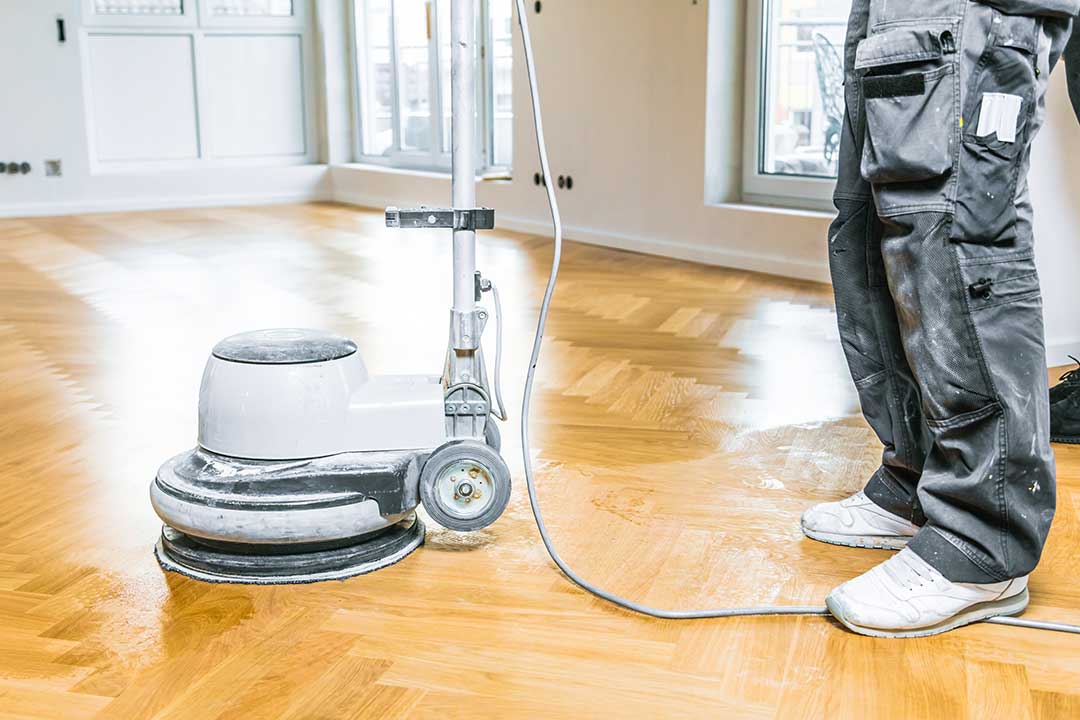
Periodic cleaning and recoating—especially for wood and some laminate floors—improves resistance to scratching and moisture with a renewed protective layer. Most residential properties in the city don’t need frequent refinishing, but:
- Cleaning up spills right away (even pad-protected areas) prevents finish breakdown.
- Refinishing is typically only necessary when scratches are visible or protective coatings feel rough.
- Waxes and polish are less common for modern floors and may not be advisable on all surfaces; check what’s safe for your specific flooring.
Are There Overlooked Risks or Habits That Can Lead to Damage?
Daily habits play a big role. Some commonly overlooked risks include:
- Forgetting seasonal checks: Pads, sliders, and finishes break down with time and moisture. Inspect them before the high-traffic periods, such as the start of the school year or local holidays.
- Direct sunlight: Long-term sunlight, common in open windows, can weaken flooring finishes and adhesives under pads or rugs.
- Cleaning routines: Sweeping or vacuuming with a brush attachment—before mopping—is especially important, as grit trapped under furniture will get ground into the floor’s surface.
- Moving furniture for cleaning: If not done gently or with proper pads, regular cleaning days can cause unnecessary scratches.
By staying mindful of these factors and choosing floor-friendly habits and accessories, residents can maintain healthy, attractive floors through Athens’s changing seasons and active lifestyles.