

 See My Latest Article on HelloNation
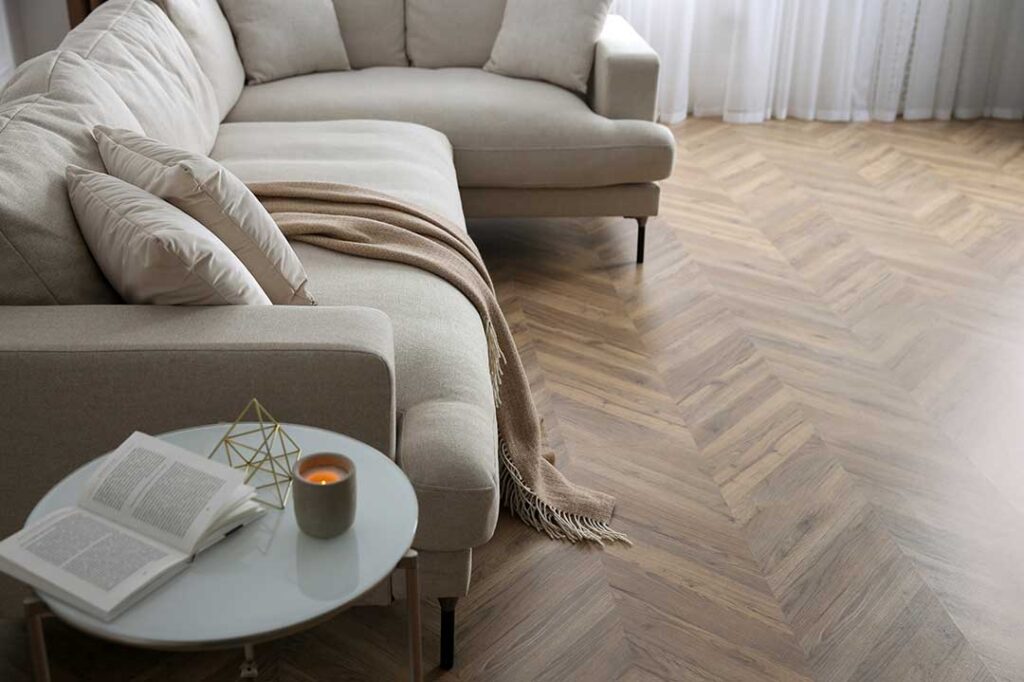
Do Heated Floors Make Sense for Athens, OH Homes?
For local residents considering an upgrade or new build, radiant floor heating often comes up as an energy-efficient, comfort-focused option. In Athens, OH—where winters are chilly but not extreme—heated floors can make a real difference in home comfort. Still, they aren’t for everyone. Understanding when they work well and when they may not be necessary helps area homeowners make a decision that fits both lifestyle and budget.
How Do Heated Floors Actually Work?
Heated floors, technically called radiant floor heating, use electrical wires or hot water tubes installed beneath the flooring to gently warm the floor surface and, gradually, the room itself. There are two main systems:
- Electric systems: Use electric cables or mats, usually laid under tile or stone, and are common in bathroom or kitchen remodels.
- Hydronic systems: Circulate hot water through tubes beneath the floor. They’re more involved to install but are often used for larger spaces or whole-home systems.
Radiant heat rises evenly, warming objects and people directly rather than blowing warm air. This results in fewer drafts and often a more consistent indoor temperature.
Is Radiant Floor Heating Needed for Athens Winters?
Winters in Athens, OH are cold enough for frequent snow, but not as harsh as more northern regions. Most homes rely on forced air or baseboard heat. Heated floors can offer added comfort on cold mornings, especially in spaces with tile, stone, or concrete flooring that tends to stay cold.
In older homes with drafty rooms or uneven heat, radiant flooring can be more efficient and reduce cold spots. However, in smaller, well-insulated homes, it may simply be a luxury rather than a necessity.
How Much Does It Cost to Install Heated Floors Locally?
The initial price for radiant floor heating varies by system type, the size of the area, and whether installation happens during a build or remodel. In general:
- Electric systems: Cost less upfront and are easier for small areas, especially during renovations. Typical spaces include bathrooms and kitchens.
- Hydronic systems: Have higher upfront costs and usually make sense in new construction or major renovations covering more square footage.
Local construction and labor costs in Athens are generally lower than metropolitan areas, but removing and replacing existing flooring adds to the expense. Most homeowners weigh these costs against how often they use the space and how much comfort it will add.
Will Heated Floors Save Energy or Reduce Utility Bills?
Radiant floor heating is generally more efficient than forced air for heating a well-insulated room to a moderate temperature. The temperature can often be set lower than traditional systems because warmth is felt directly. Electric systems, though, may significantly increase the electricity bill if used as the primary heat source and run for many hours a day during cold months.
For area households with solar panels, electric radiant floors can make more sense. Hydronic systems, especially when run on high-efficiency boilers, can offer lower operating costs in larger homes where consistent comfort is the goal.
What Types of Flooring Work with Radiant Heating?
Not every flooring type pairs equally well with radiant heat. Local homes commonly have:
- Tile and stone: The best conductors, and a frequent choice for bathrooms and kitchens.
- Engineered wood: Acceptable, as long as the manufacturer approves it for use over radiant heat. Solid hardwood can sometimes shrink or flex with temperature changes.
- Carpet: Reduces the efficiency of heating. Low-pile carpets may work, but thick padding reduces the effects.
- Vinyl or laminate: Must be checked for heat compatibility, as some materials may warp at higher temperatures.
Athens, OH homes with basements done in concrete often benefit most from radiant slabs, which help take the chill off an otherwise cold and damp space.
How Disruptive Is the Installation Process?
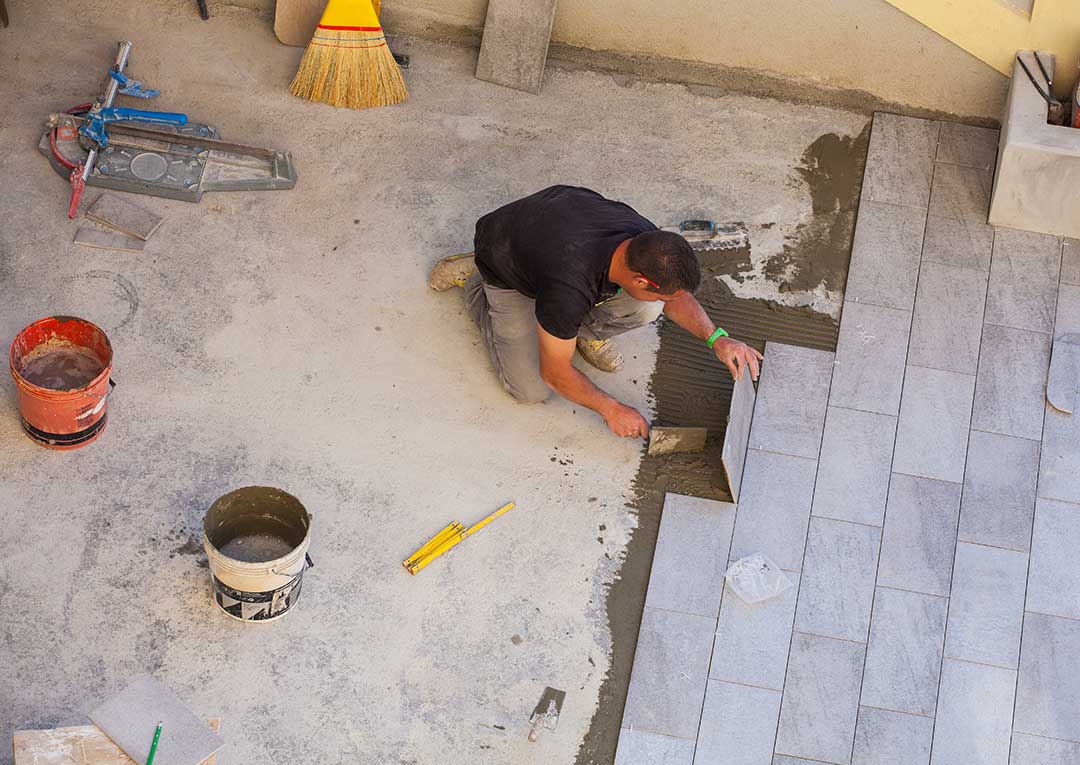
Installing radiant floor systems beneath existing floors does require removing the current flooring, which can be messy and time-consuming. The process is least disruptive during new builds or major renovations. For small projects (like a single bathroom), installation can sometimes be finished quickly, but larger areas require more planning and patience.
Local homes with aging floors being replaced anyway can often add heated flooring without much extra hassle.
Are Heated Floors Safe and Reliable?
Modern radiant systems, when properly installed and operated according to manufacturer specifications, are generally very safe. Electric floor heating includes built-in safety features to prevent overheating. Most hydronic systems have leak detection.
Heated floors also do not blow dust or allergens around, which benefits those with respiratory sensitivities—a helpful point for families with allergies, especially during Athens' pollen-heavy spring.
Routine maintenance is minimal after installation, and lifespan can be several decades, particularly with hydronic systems.
What Are Common Misconceptions about Heated Floors?
A few points often surprise local homeowners:
- It’s not instant heat. Floors take time to warm up and cool down, so they work best if programmed to heat up before you need the room.
- They aren’t always a total replacement. In many Athens homes, radiant flooring is used as a supplement—especially in bathrooms or basements—rather than throughout the whole house.
- Installation isn’t always impractically expensive. Small spaces can often be upgraded affordably, especially during larger remodels.
Understanding these realities helps set expectations and leads to better long-term satisfaction.
When Might Heated Floors Be Worth It for Athens, OH Residents?
Heated floors can add comfort, resale value, and efficiency for those planning to stay in a home for years or dreaming of a cozy, draft-free living space. They’re often most practical as part of renovations or new construction, especially where cold floors are an everyday nuisance.
For local homeowners designing for long-term aging in place, radiant floors can also improve accessibility and comfort compared to traditional baseboard or forced air.
However, the investment is usually most justifiable when floors are already being replaced, or energy efficiency and comfort are high priorities for the household.