

 See My Latest Article on HelloNation
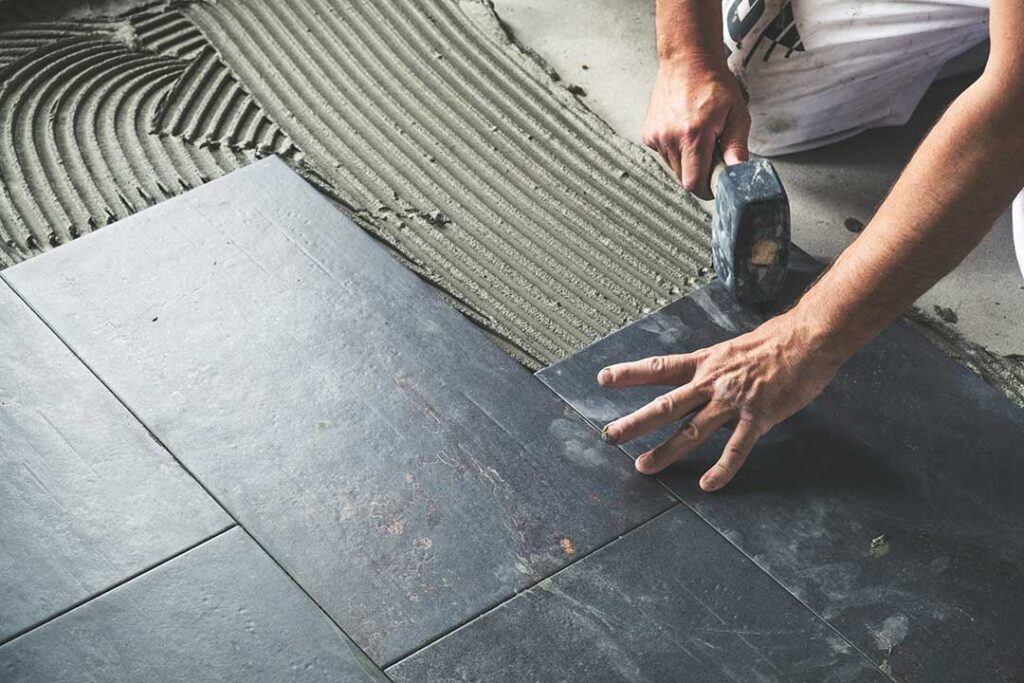
Which Flooring Stands Up Best to Heavy Foot Traffic?
For households in Athens, OH, areas like entryways, kitchens, mudrooms, and hallways see frequent use and wear. The most dependable flooring choices for these spaces are hard surface materials engineered for resilience, easy cleaning, and long-term appearance. The right pick depends on a balance of your home’s needs, the climate, and what kind of maintenance you prefer.
What Makes Flooring “Durable” in Local Homes?
Durability means more than just strength—it also involves how well a floor resists scratching, moisture, stains, dents, and fading. In the city, practical flooring for high-traffic spots handles mud and rain tracked in from outdoors, the grit and salt of winter, and seasonal temperature swings that cause floors to expand and contract. Local households often choose materials that are both tough and low-maintenance, since daily sweeping and mopping is the norm during the wet and muddy months.
How Do Leading Flooring Materials Compare?
Wood, tile, and resilient flooring each behave differently under daily stress—here’s what you can expect in busy spaces:
Porcelain and Ceramic Tile
Porcelain and ceramic tile are among the top performers for high-traffic rooms. They resist scratches, stains, and water, which is particularly valuable for households with pets, kids, or frequent visitors. Tiles won’t warp or swell when exposed to moisture, and many choices are textured for better slip-resistance—useful during the humid summers or muddy springs. Grout can stain over time, though proper sealing and occasional scrubbing extends its life.
Luxury Vinyl Plank (LVP) and Tile (LVT)
Modern luxury vinyl mimics wood or stone, but with exceptional dent, scratch, and moisture resistance. It’s softer underfoot compared to tile, absorbs sound well, and is easier to maintain than real hardwood in busy rooms. LVP and LVT are increasingly popular in the area because installation is straightforward, even for do-it-yourselfers. Not all vinyl products are created equal: Look for options with thicker wear layers, as these hold up best to ongoing traffic and moving furniture.
Laminate Flooring
Quality laminate withstands abrasion and is often used in family rooms or finished basements. It combines the appearance of wood with a tough, protective topcoat. Water-resistant laminates are good for most rooms, but standing water or major spills can cause lower-quality laminates to swell or warp over time. Laminate is less tolerant of high humidity cycles compared to LVP.
Hardwood (Solid and Engineered)
Solid hardwood can be surprisingly resilient, but it does show scratches, dents, and moisture marks more easily. Engineered hardwood is more dimensionally stable and safer to use in areas with fluctuating humidity. Both types benefit from protective area rugs or runners in main pathways. Refinishing solid wood can restore its surface after years of use, but severe water damage will still require plank replacement.
Natural Stone
Materials like slate, granite, or travertine tile add longevity and are nearly unmatched for exterior entry areas or heavy-use indoor spaces—when properly sealed. Some stones can be slippery if not textured, and softer types (such as limestone) are prone to etching or chipping in homes where heavy objects may be dropped.
Which Floor Types Should Be Avoided in Busy Areas?
Carpet, unless specifically designed for commercial traffic, usually struggles with heavy use. Dirt, mud, and moisture tracked inside by kids and pets can quickly make carpeted entryways or hallways appear worn. Traditional softwood floors also dent and scratch more easily than their hardwood or engineered counterparts.
How Does Athens, OH Climate Affect Flooring Longevity?
Athens experiences a four-season climate, with cold winters, humid summers, and frequent freeze-thaw cycles that influence interior conditions. Humidity swings can cause certain materials—especially solid wood and less expensive laminates—to expand, contract, or even cup over time.
Mud, ice melt, and salts from winter streets create additional challenges for floors close to entry doors. Hard, waterproof surfaces with textured finishes often deliver longer service lives in these entry points.
Practical Maintenance Tips for High-Traffic Floors
Durability relies just as much on upkeep as on material choice. Some strategies for area residents:
- Use entry mats both outside and inside doors to catch grit before it spreads.
- Sweep or vacuum regularly to avoid abrasive debris grinding into the finish.
- Promptly wipe up spills to prevent moisture penetration, staining, or swelling.
- Apply furniture pads to chair and table legs to reduce scuffing.
- For tile and natural stone, periodically seal grout and porous surfaces.
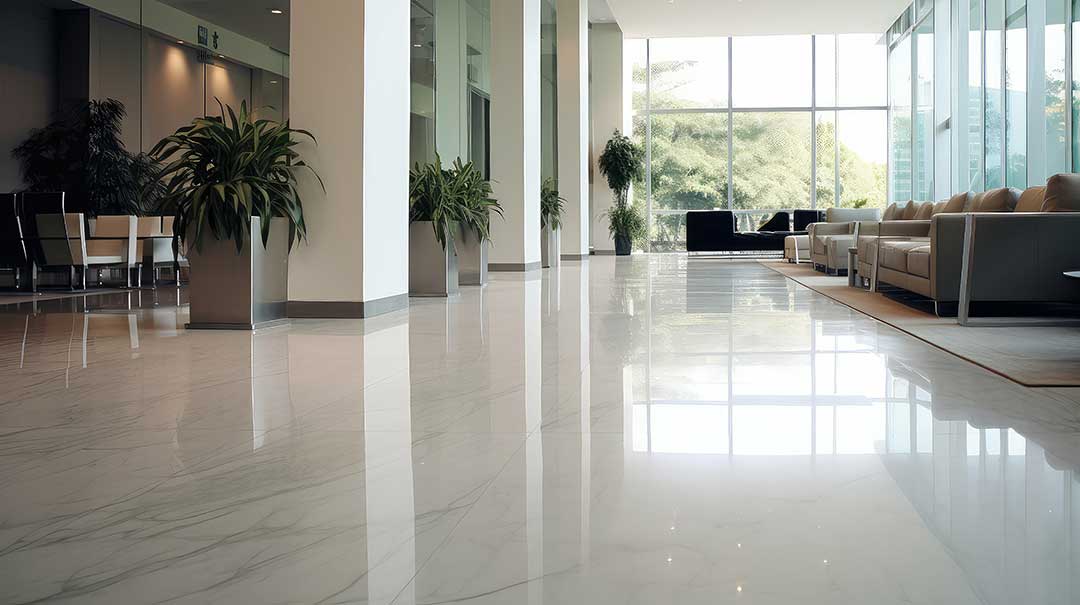
By combining a suitable flooring material with simple upkeep routines, most homes in the community can keep high-traffic rooms looking fresh for years.
Common Myths About Floor Durability
It’s a misconception that only stone or porcelain floors will survive in high-use areas. While these options are certainly resilient, modern vinyls and quality laminates rival or even exceed them in some applications—especially in homes concerned with warmth, comfort, and easy installation. Another mistaken impression is that all tiles are slippery or cold; with radiant heating and anti-slip surfaces, these issues are often avoidable.
Finally, not all expensive flooring is inherently tougher. Look for floors with verified wear ratings or third-party durability testing, not just brand reputation or cost alone.
Example Scenarios for Local Homes
- In a busy kitchen with family meals, pets, and weekend gatherings, a thick luxury vinyl plank offers a forgiving surface for dropped cookware and spilled drinks.
- Entryways that see snowy boots in January and muddy shoes in April often work best with porcelain tile or sealed natural stone.
- For daylight basements prone to occasional dampness, high-quality laminate or LVP resists both foot traffic and moisture.
- Multi-generational homes or rentals may favor surfaces that are quick to sweep and tolerant of scuffs, like durable tile or vinyl.
Focusing on these factors helps area residents select flooring that complements both lifestyle and local climate, ensuring the most practical and enduring result.