

 See My Latest Article on HelloNation
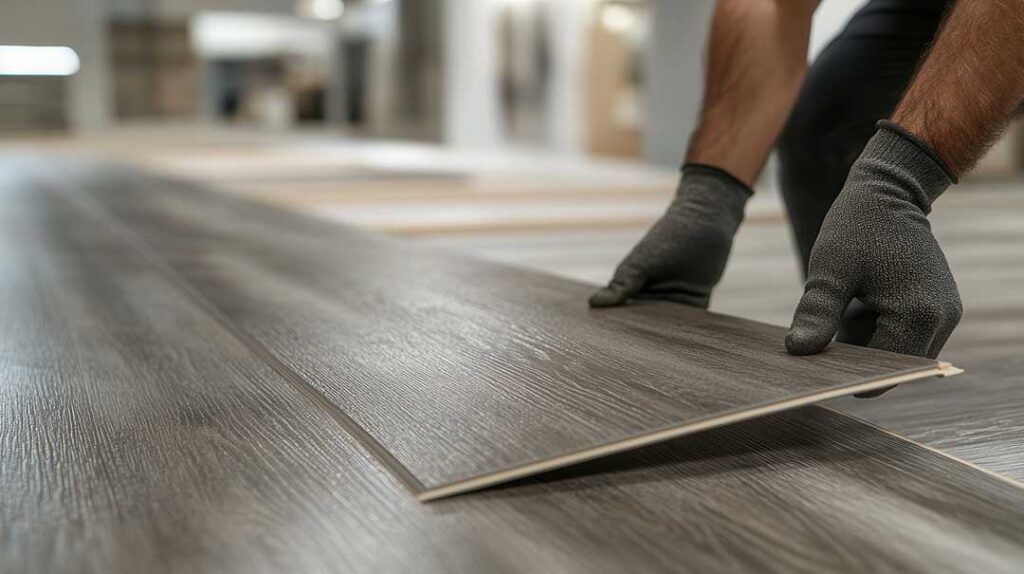
What Should Residents of Athens, OH Know Before Starting a Laminate Flooring Project?
Installing laminate flooring is considered one of the more accessible DIY home improvement projects, but success depends on preparation and understanding the unique aspects of homes in Athens, OH. The area’s mix of historic and modern housing, paired with humid summers and cold winters, means moisture management and subfloor inspection are especially relevant for those taking on this task.
Local homes often feature older wood subfloors or basements prone to dampness, so preparation plays a crucial role in long-term results. Checking that the subfloor is flat, dry, and stable is the first step. Residents should use a moisture meter if basement or first-floor installation is planned, as unaddressed moisture could weaken the laminate over time.
How Should Athens Residents Acclimate Laminate Flooring?
To minimize the risk of gaps or buckling, laminate flooring should acclimate indoors before installation. Open the packages and leave the planks in the room where they will be installed for 48 to 72 hours. Athens’ seasonal humidity swings mean this step helps the flooring adjust to the specific moisture levels in your home, reducing movement after installation.
Stacking the planks flat with space between stacks improves airflow and speeds up this process. Avoid storing flooring in garages or sheds, as temperature differences can create warping or condensation problems.
What Tools and Supplies Are Essential for a DIY Installation?
Most laminate flooring systems use a floating design, snapping together without glue or nails. Still, proper tools help make the installation smooth and avoid damage to the planks. Residents typically need:
- Tape measure and pencil for accurate marking
- Utility knife or laminate cutter for trimming
- Spacers to maintain expansion gaps at walls
- Rubber mallet and tapping block to fit joints snugly without chipping
- Pull bar for tight spaces near walls
- Level to confirm the subfloor is even
- Jigsaw for intricate cuts around door frames or vents
- Underlayment, unless attached to the planks
Underlayment is especially valuable in residences with older wood subfloors or concrete slabs, both common in the city’s housing stock. It helps smooth minor imperfections and provides a moisture barrier—key for installations above basements or on ground floors.
How Can Homeowners Ensure Accurate Measurements and Layouts?
Start by measuring the length and width of the room, including any alcoves or closets. Multiply to calculate the square footage and add 10% for waste. For rooms with angled walls or irregular corners, Athens residents often find it helpful to sketch a layout or mark measurements directly on the subfloor using painter’s tape.
Plan the layout so the final row’s width isn’t too narrow, as thin strips are prone to shifting or breaking. Adjust the starting point if needed and stagger joints between rows at least six inches apart—a common step sometimes skipped by first-time installers.
Pay attention to which direction you run the planks. Laying flooring parallel to the longest wall or toward natural light generally looks best, but narrower rooms or unique local floorplans may benefit from a different arrangement.
What Moisture and Expansion Precautions Are Needed in Athens Area Homes?
Laminate needs space to expand and contract. Always leave a gap (typically 1/4 inch) between flooring and all walls or permanent fixtures. Use spacers to keep this gap consistent. Actual humidity levels in Athens shift from muggy summers to dry winters, so this step is vital for preventing buckling or warping through the seasons.
In basements or on concrete, use a vapor barrier under the underlayment. Residents with older homes in the community may also encounter inclined or uneven subfloors; correct major issues with leveling compound before installation, or planks may unlock or creak.
Avoid installing laminate in rooms with ongoing leaks or in areas where standing water is common, such as entryways that collect snow melt or near basement doors.
How Should Tricky Areas Like Doorways and Heat Vents Be Handled?
Cutting laminate to fit under door frames or around vents can be a challenge. Use a scrap piece of flooring as a guide to mark the height and trim the jamb bottom so the new floor can slide underneath for a clean look.

For floor vents, measure and mark the location on the plank before cutting with a jigsaw or hole saw. Always test fit before securing the row. Be careful to maintain the necessary expansion gap around these obstacles as well.
Transitions to other flooring types (like carpet or tile you may have in older Athens homes) can be finished with a transition strip or threshold. These are typically installed over the expansion gap to provide a seamless bridge between surfaces.
What Mistakes Should First-Time Installers in Athens Avoid?
Common mistakes arise from skipping preparation or rushing critical steps. Some to watch for include:
- Failing to check and address moisture levels—especially in below-grade or older homes
- Not using or misplacing spacers, resulting in no expansion gap
- Forcing planks together—if joints aren’t clicking easily, check for debris or damage
- Not acclimating the flooring long enough, leading to visible gaps later
- Installing over uneven or soft spots, which may compromise the entire floor
Local residents sometimes overlook the impact of Athens’ seasonal temperature swings, so double-checking expansion and humidity precautions pays off in the long run. Always keep extra planks and note the lot number; color and pattern can vary between batches.
Are There Special Considerations for Local Climate and Housing?
Athens’ combination of humid summers and sometimes rapid temperature shifts in winter makes moisture management crucial. Using underlayment with a moisture barrier is especially wise for homes on sloped lots where water can seep near foundations, or for installations over older basements seen in many local residences.
Heated floors—uncommon but present in some newer constructions—require checking manufacturer guidance for compatibility. Similarly, Athens homes built before the mid-1980s may have floors that contain asbestos or other hazardous materials, so extra caution is warranted during demolition or preparation; in those cases, consult appropriate resources for safe handling procedures.
How Can Residents Extend the Life of Their Laminate Floors?
Once installed, protecting laminate from standing water, grit, and heavy impacts will maintain its look and performance for years. Place mats at exterior doors, especially in mud seasons, to trap debris and moisture. Use soft pads on furniture legs to minimize scuffs and reduce noise on multi-level homes with neighbors nearby.
Routine sweeping or vacuuming (without a beater bar) keeps the floor clean. Never wet mop or use steam cleaners, as excess moisture can seep into seams. For spot cleaning, a well-wrung damp cloth works well.
Planning ahead for the conditions commonly found in Athens homes makes a noticeable difference in how long your flooring stays looking great. Proper installation, paired with care tailored to the local climate, allows DIY projects to succeed in the city’s diverse mix of homes.