

 See My Latest Article on HelloNation
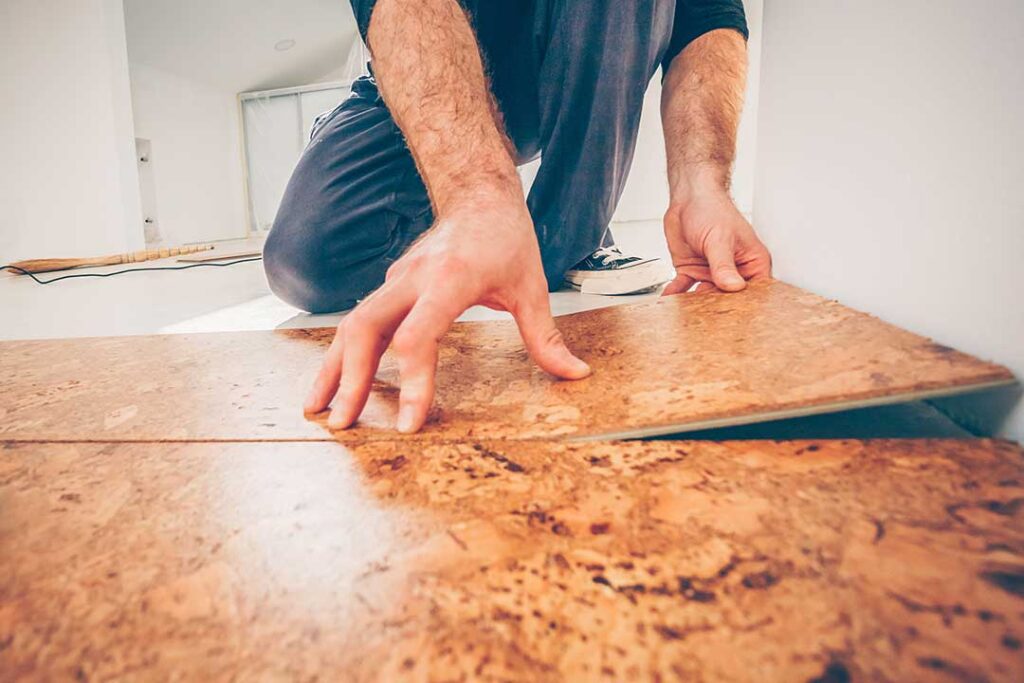
Choosing between luxury vinyl tile and traditional tile usually comes down to three questions: how the room will be used, how much moisture it will face, and how much installation complexity the household is willing to manage. Both materials can create a durable, attractive floor, but they perform differently under everyday conditions.
For homes in Athens, OH, seasonal moisture, tracked-in soil, temperature changes, and older or uneven subfloors can all affect the decision. The right option is less about which material is universally better and more about matching the flooring to the room and the building.
What is the basic difference between the two?
Luxury vinyl tile, often called LVT, is a layered resilient flooring product made primarily from synthetic materials. It is designed to resemble materials such as stone, ceramic, or concrete. Depending on the product, the surface may be printed with a detailed pattern and protected by a clear wear layer.
Traditional tile usually refers to ceramic or porcelain tile installed with mortar or thin-set adhesive and finished with grout joints. Ceramic tile is made from fired clay, while porcelain is a denser type of ceramic tile made from refined materials and fired at a higher temperature.
The key differences are:
- LVT is softer, warmer, and generally simpler to install.
- Traditional tile is harder, more rigid, and typically more resistant to heat and surface wear.
- LVT can tolerate some subfloor movement, while tile requires a stable, properly prepared base.
- Tile and grout can last for decades when correctly installed and maintained.
- LVT is often easier to replace in sections if an individual plank or tile becomes damaged.
Which option handles moisture better?
Both materials can work in moisture-prone areas, but their water resistance depends on the complete installation rather than the surface alone.
Many LVT products are water-resistant, and some are marketed as waterproof. This can make them practical for bathrooms, laundry rooms, kitchens, and entry areas. However, water can still reach the subfloor through seams, edges, perimeter gaps, or poorly sealed transitions. A waterproof surface does not automatically make the entire floor assembly waterproof.
Ceramic and porcelain tile do not absorb much water, especially porcelain. However, grout is porous unless it has been properly sealed or is made with a less-absorbent formulation. Water can also move through cracks, failed caulk joints, or an improperly installed underlayment.
For a bathroom or laundry area, the more significant question is whether the floor includes suitable waterproofing beneath the tile or around vulnerable transitions. Traditional tile may be the stronger choice where standing water, heat, or frequent wet cleaning is expected, but only when the supporting layers are installed correctly.
How do they perform in an Athens home?
Local housing conditions can matter as much as material specifications. Some homes in the community have older subfloors, additions built at different times, or rooms with slight changes in elevation. These conditions may be manageable for LVT but create problems for traditional tile if the floor is not sufficiently rigid and level.
LVT is more forgiving of minor imperfections, although noticeable dips, ridges, moisture problems, and loose flooring still need attention. A floating installation may also be used in some rooms, which can reduce adhesive work and simplify future replacement.
Traditional tile is less tolerant of movement. If a wood subfloor flexes underfoot or the surface is uneven, tiles may crack and grout joints may loosen. Tile installations often require a cement-based backer board, uncoupling membrane, leveling work, or other preparation to create a stable foundation.
Older homes can also contain layers of previous flooring. Removing those layers may reveal uneven surfaces, moisture damage, or subfloor repairs that were not visible beforehand. Those conditions should be evaluated before selecting either material.
Which floor is more comfortable?
LVT is generally more comfortable for standing and walking because it has some resilience underfoot. It also tends to feel warmer than tile, particularly during colder months or in rooms without radiant heat.
Traditional tile has a firm, dense surface. That can be desirable in kitchens because it feels stable and handles heavy furniture well, but it may be less comfortable for extended standing. Tile also transfers heat readily, which means it can feel cold in winter but works well with properly designed electric or hydronic radiant-floor systems.
Area rugs and floor mats can improve comfort with either material, although mats should have backing that will not discolor or trap moisture against the floor.
Which one is easier to clean?
Both options are relatively easy to maintain, but their cleaning challenges differ.
LVT usually needs regular sweeping or vacuuming to remove grit, followed by damp cleaning with a product approved for the flooring. Excessive water should not be allowed to collect around edges or seams. Abrasive powders, harsh solvents, and steam equipment may damage the wear layer or affect the adhesive.
Tile itself is simple to clean, especially porcelain. The grout requires more attention because it can collect soil and may darken in heavily used areas. Mopping alone may not remove buildup from textured grout lines. Periodic cleaning with an appropriate tile and grout solution may be necessary.
In entryways, frequent removal of tracked-in grit matters for both materials. Sand and small stones can act like abrasives, gradually dulling surfaces or scratching protective finishes.
Which material lasts longer?
Traditional tile often has the longer potential service life, particularly in areas where the installation remains dry, stable, and well supported. Individual tiles can sometimes be replaced, although matching older tile may be difficult.
LVT can also provide many years of service, but its lifespan depends heavily on the wear layer, product quality, installation method, sunlight exposure, and traffic level. The surface may eventually show scuffs, dents, fading, or wear in heavily used paths.
Tile is not automatically more durable in every situation. A cracked tile or failing grout joint can result from subfloor movement rather than surface wear. LVT may perform better in a room where slight movement is unavoidable, provided the floor is properly prepared.
What are the installation and repair differences?
LVT installation is generally faster and creates less dust and demolition debris. Some products use click-lock edges, while others are glued directly to the subfloor. Repairs may involve replacing one plank or tile, though an exact color match can be difficult if the flooring has aged or the product has been discontinued.
Traditional tile installation is more labor-intensive. It may involve subfloor reinforcement, backer board, mortar, layout planning, cutting, curing time, and grouting. The finished floor can be highly durable, but repairs may require removing surrounding grout and carefully replacing the damaged piece.
Neither material should be installed over an unresolved moisture problem. Flooring can conceal symptoms temporarily while allowing subfloor deterioration to continue underneath.
Which choice makes sense for common rooms?
LVT is often practical for:
- Bedrooms, hallways, and living areas where comfort matters
- Kitchens and laundry rooms needing easy daily cleaning
- Homes with modest subfloor irregularities
- Projects where lower installation height is useful
- Households wanting a quieter walking surface
Traditional tile is often practical for:
- Mudrooms and entries exposed to grit and wet footwear
- Bathrooms requiring a rigid, water-resistant surface
- Kitchens where heat, spills, and heavy use are concerns
- Areas designed for radiant-floor heating
- Rooms where long-term surface hardness is a priority
A careful comparison should include subfloor condition, door clearances, transitions to nearby rooms, cabinet height, moisture exposure, expected traffic, and repair plans. Material cost is only one part of the decision; preparation and installation requirements can change the overall project substantially.
What is the most common misconception?
The most common misconception is that a flooring label alone determines performance. “Waterproof,” “porcelain,” or “commercial wear layer” does not eliminate the need for sound preparation and correct installation.
A second misconception is that tile is maintenance-free. The tile surface may be highly durable, but grout, caulk, movement joints, and waterproofing details still require care.
For many households, the practical answer is straightforward: choose LVT when comfort, easier installation, and tolerance for minor movement are priorities. Choose traditional tile when rigidity, heat resistance, and long-term surface durability matter more. The condition of the existing floor should guide the decision before appearance or pattern becomes the deciding factor.